Arts & Culture

The Black Girl’s Guide to The Opera

Opera, a captivating fusion of music, drama, and theatricality, holds a significant place in the world of art and culture.

Originating in Italy during the late 16th century, it has evolved into a cherished art form celebrated around the world. Its rich history and enduring popularity make it a cultural experience worth exploring.

Though often thought of as an art form enjoyed by others, opera has been the vocation of many Black artists, musicians, and composers for hundred of years.

Coretta Scott King studied to be an opera singer in college, and was an avid supporter of the art throughout her life.

With its emotive storytelling and incredible music, opera communicates much about the human condition. We have no doubt that you’ll find it an incredible experience.

In this guide, we’ll share a little of the history of opera, iconic Black women in the art, opera etiquette, style, and traditions, and what to expect at your first show.

Dive in – you’ll be an opera aficionada in no time!

Opera’s Fabled History

The origins of opera can be traced to the Florentine Camerata, a group of intellectuals and musicians who wanted to revive the drama of ancient Greek theater.

Their experiments led to the creation of the first operas, such as Jacopo Peri’s “Dafne” and Claudio Monteverdi’s “Orfeo.”

As opera spread across Europe, it changed significantly, with composers like Mozart, Verdi, and Wagner pushing the boundaries of the art form. Today, opera continues to thrive worldwide, with new works being composed and performed alongside beloved classics.

The First Black Operas

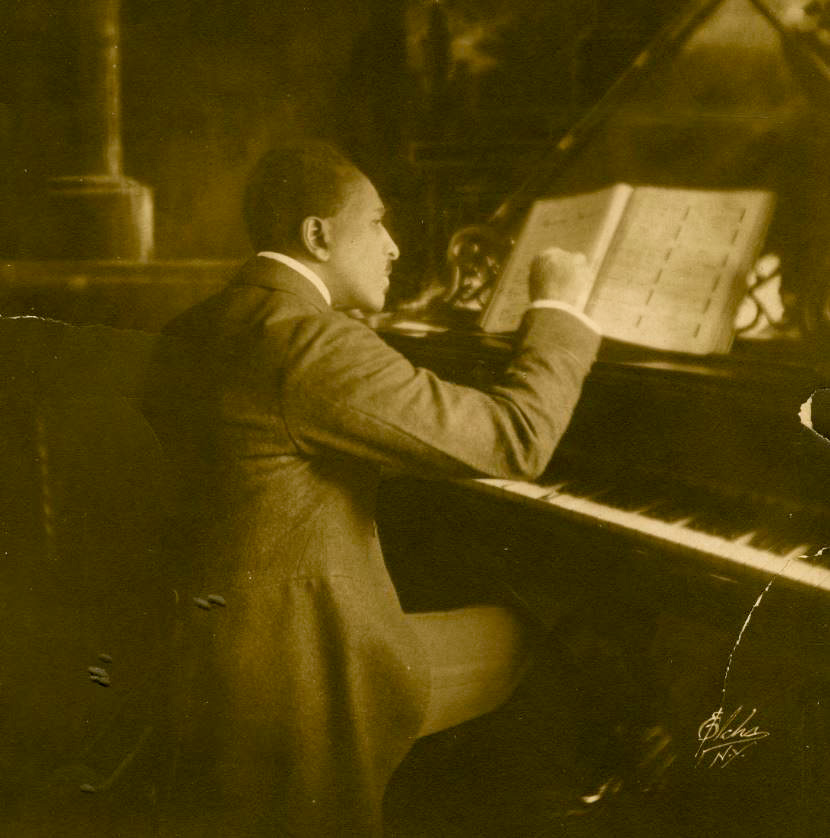
Black people took an interest in the art form soon after it was introduced to us. The earliest known opera by a Black composer was John Thomas Douglass’s Virginia’s Ball (1868).

Unfortunately, that work is lost to history.

A few decades later, H. Lawrence Freeman, one of the most prolific Black opera composers, completed Martyr (1891), his first work.

Harry Lawrence Freeman at piano

H. Lawrence Freeman Collection, Rare Book & Manuscript Library / Columbia University

Black Women in Opera

Black women have made significant contributions to the world of opera, enriching the art form with their exceptional talent, resilience, and trailblazing spirit.

Black female opera singers overcame immense challenges to showcase their remarkable voices on stages around the globe.

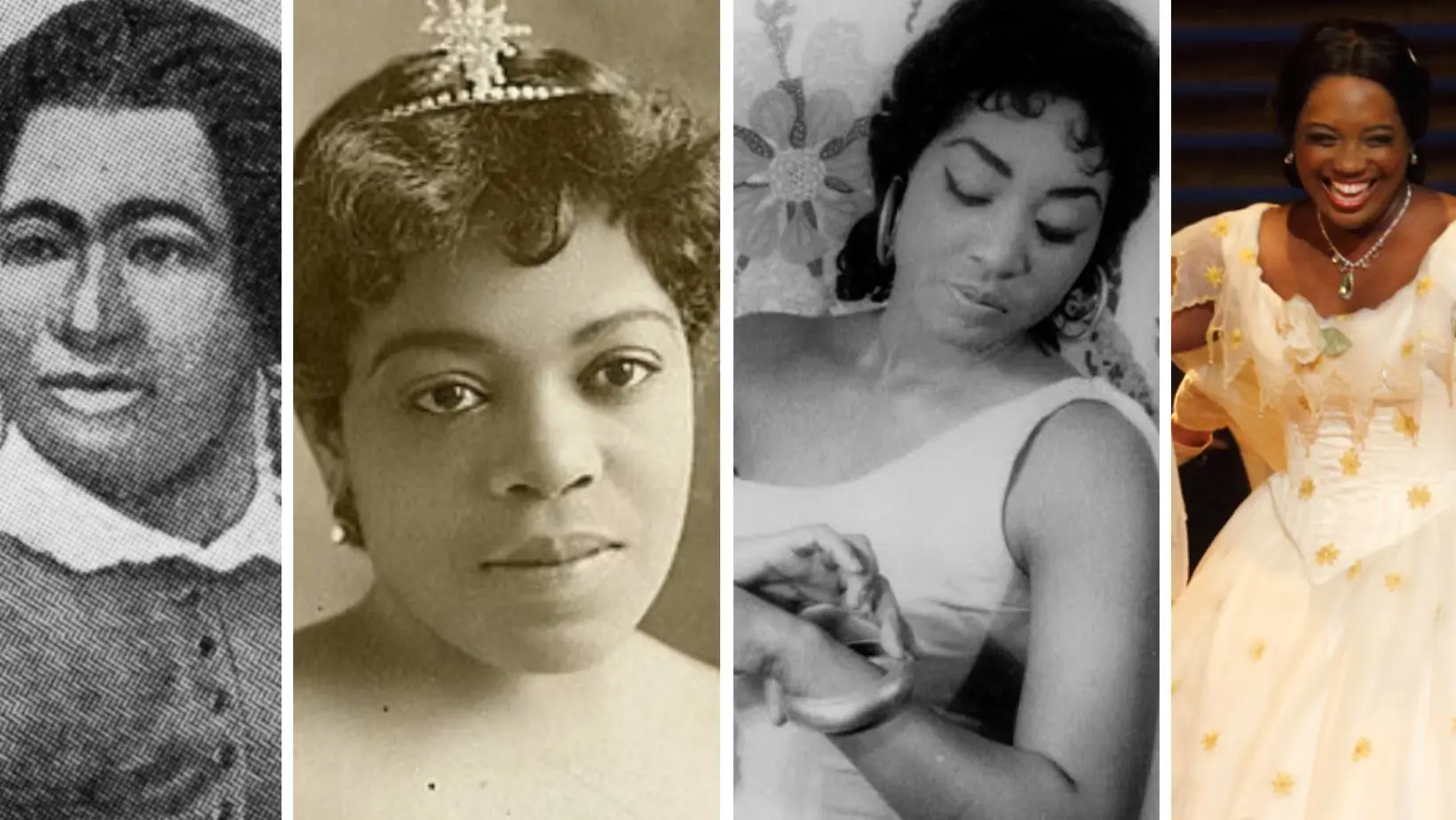
From the pioneering achievements of Elizabeth Taylor Greenfield, who faced prejudice and derision before she rose to critical acclaim in the mid-1800s, to Sissieretta Jones, who became the first African American woman to headline a major opera company in the late 19th century, trailblazing Black women took opera by storm and paved the way for artists to follow.

Black women have continued to rise to prominence in opera, defying stereotypes and breaking down barriers with unparalleled vocal prowess and artistry.

Iconic Black women in Opera - Elizabeth Taylor Greenfield, Sissieretta Jones, Gloria Davy, and Angel Blue | Bon Vie Magazine

Women like Marian Anderson, who shattered racial barriers when she became the first to perform at the Metropolitan Opera in 1955, and Grace Bumbry, who became the first Black singer to perform the title role in “Aida” at the Met in 1961, paved the way for the success of contemporary superstars like Jessye Norman and Leontyne Price.

Today, more Black women grace opera stages than ever before. From rising stars like J’Nai Bridges and Angel Blue to established luminaries such as Denyce Graves and Pretty Yende, sisters transport audiences with their extraordinary voices and commanding performances.

Marian Anderson’s Lincoln Memorial Concert 
Courtesy of American Experience

Preparing to Attend the Opera

Before attending your first opera, it’s helpful to understand the basics of the show you’ll see.

Opera combines singing, acting, and orchestral music to convey emotional stories ranging from romance to tragedy. Knowing the plot and characters of the opera you plan to attend will make the performance more enjoyable.

Choosing the Right Opera for You
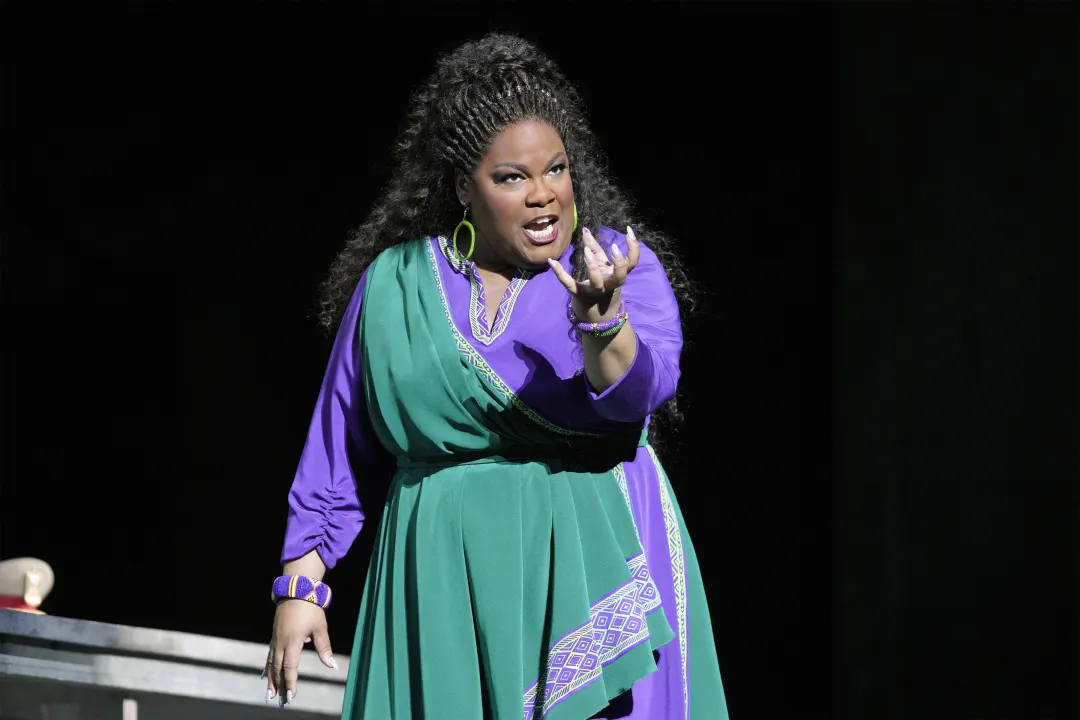
Latonia Moore as Aida in the LA Opera's 2022 production / Cory Weaver

Latonia Moore commands the stage as Aida in the LA Opera’s 2022 production | Cory Weaver

Selecting the right opera for your tastes is essential. Opera houses offer a diverse range of works each season, from classic masterpieces to contemporary pieces. If you’re new to the art, the trio of operas that fans call the ABCs are a great place to start.

The ABCs of Opera

Aida • La Boheme • Carmen

The most watched and performed trio of operas in the world are affectionately referred to as the ABCs. They are stalwarts of the artform & have been hits since their debuts. Newbies and opera OGs alike see them time and again.

If you’re debating a title to start with, we’d suggest one of these.

Research  your chosen opera’s synopsis (which can usually be found on the opera house’s website), composer, and historical context to gain a learn more about what inspired the work.

Getting Tickets

Book your tickets in advance to ensure you can see your desired performance. Choose seats that fit your budget and preferences. The opera house will have a seat map available on the booking website to help you decide.


The Ultimate Opera Guide for First Timers : How to Prepare to Attend | Bon Vie

Attending the Opera: Your First Show

Now that you know a little of the history of opera, you’re ready for your first show. these tips will help you prep for a fabulous experience.

Opera Attire

Traditional opera attire was always a formal affair. Women wore their best formal dresses and men came decked out in tuxes. Modern opera houses are much more relaxed when it comes to dress codes. You can go to the opera in a t-shirt and jeans if you’d like.

Though it’s no longer required, dressing up can add to your opera experience. For men, a suit or dress pants and a collared shirt is appropriate. Ladies can opt for a cocktail dress or elegant pantsuit.

If you’re ready to go all out, a full-length gown and gloves are always welcome. Choose attire that makes you feel confident and at ease.

Etiquette

Opera etiquette is rooted in respect – for both the performers and the audience. Here are some tips to ensure a pleasant experience:

  • Arrive on time: To be early is to be on time…Coming late can be disruptive, and some houses will not allow entry once the performance starts. Aim to arrive before the show begins.
  • Silence your phone: Concert halls are designed to amplify sound. Put  your phone on silent or Do Not Disturb for the duration of the performance.
  • No talking: Opera is meant to be enjoyed in silence, so refrain from talking during the show. You can chat during intermission if needed.
  • Clap at appropriate times: Applaud at the end of arias or musical numbers, but avoid clapping during quiet moments.
  • No photography or recording: Taking photos or recording video/audio during the performance is a no go.
  • Be mindful of rustling: Unexpected noise can be a distraction for the performers and the audience. Avoid rustling programs or candy wrappers.
  • Respect the dress code: While modern opera houses may have relaxed dress codes, dressing up shows respect for the occasion and the performers.

Pre-Show Traditions

Most operas observe a few pre-show traditions that enhance the overall experience. Arrive early to soak in the ambiance of the theater and enjoy a pre-show drink at the bar.

Many houses offer pre-performance talks or backstage tours the provide valuable insight about the production you’re about to see. These activities are often complimentary, so get there early and enjoy.

Know Your Opera ABCs

Aida is an Ethiopian princess who’s hiding her identity while living in the Egyptian royal court. She and Radamès, a rising military commander, are in love. There’s just one tiny problem: Amneris, the Pharaoh’s daughter, is also in love with Radamès, and she starts to suspect Aida is a rival.

When Radamès is sent to lead Egypt’s army against Ethiopia, Aida is put in an impossible situation – she must choose between the man she loves and her family.  Aida has staying power; it’s the most visually & emotionally arresting opera on the list according to our Editor-in-Chief.

A poet, a painter, a musician, and a philosopher are freezing in their 1830s Parisian attic apartment, trying to make rent. The poet, Rodolfo, meets his neighbor Mimì when she knocks on his door because her candle went out. They fall for each other almost instantly.

The opera follows their relationship through all sorts of drama – from jealousy, to breakups and reconciliations – all set against the backdrop of their friend group’s chaotic lives. Mimì’s got a secret, but you’ll have to watch to find out. Bring tissues; there’ll probably be tears.

Carmen is a free-spirited factory worker living in Seville entirely on her own terms. She decides who she wants, for as long as she wants them, and never pretends otherwise. Don José, a soldier, becomes obsessed with her after she talks her way out of getting arrested.

He gives up his career and his fiancee to be with her, but Carmen  won’t be tied down. Chaos ensues and Don José just won’t let go. If you’re looking for drama, this one’s got plenty to go tell the group chat.

During the Performance

As the story unfolds, follow along with the libretto (small synopsis in the booklet) provided in the program or subtitles projected above the stage. You’ll always find the words on a jumbotron-type screen.

Pay close attention to the vocal performances and the emotion conveyed by the singers. How does it make you feel? Does it match the action, lighting and set design? All these things are intended to add to oyur experience of the story.

Intermission

During intermission, explore the opera house further and admire its architecture. Grab a refreshment and chat with fellow attendees.

Feel free to share your impression of the first act. Opera is all about emotion and community. You’re sure to have some lively discourse!

Enjoy the break, but don’t be late returning to you seat. The doors close on time.

Second Act and Conclusion

Allow yourself to be swept away by the drama and emotion of the second act –  it’s when you’ll experience the opera’s narrative arc. As the curtain falls, take a moment to reflect before exiting the concert hall.

Attending the opera is a journey filled with anticipation, discovery, and cultural enrichment. By familiarizing yourself with the traditions and etiquette of the opera house, and immersing yourself in the performance, you may discover a passion for an art that spans the globe – and the centuries.

Frequently Asked Questions (FAQs )

What should I wear to the opera?

While formal attire is tradition, more casual clothes are acceptable. Go for something that makes you feel comfortable and confident.

How do I follow the storyline if the opera is in a foreign language?

Most opera houses provide supertitles (translations of the lyrics) above the stage. Also, reading the synopsis in your program beforehand can help you understand the action.

Are children allowed to attend the opera?

Most houses offer family-friendly performances or special events tailored to younger audiences. Check the schedule for age-appropriate options.

Can I bring food or drinks into the auditorium?

Food and drinks are not allowed inside the auditorium to maintain the performance space. However, you can enjoy refreshments in the foyer during intermission.

Is it okay to applaud during the performance?

During most of the opera, the audience is asked to be silent. Clapping at appropriate times, such as after an impressive aria or at the end of an act, is encouraged (and appreciated by performers).

Discover one of opera’s most iconic songs: Porgy & Bess’s Summertime

Bon Vie+ Exclusives

Get Your First Issue On Us!

Bon Vie Magazine Launch Cover: Angkor Wat, Cambodia | Solo Travel Tips for Black Women

Ready for the Good Life?
Subscribe to our newsletter
and get your first issue
of the magazine on us.

This will close in 0 seconds