Artfully Done: How to Buy Your First Piece of Fine Art
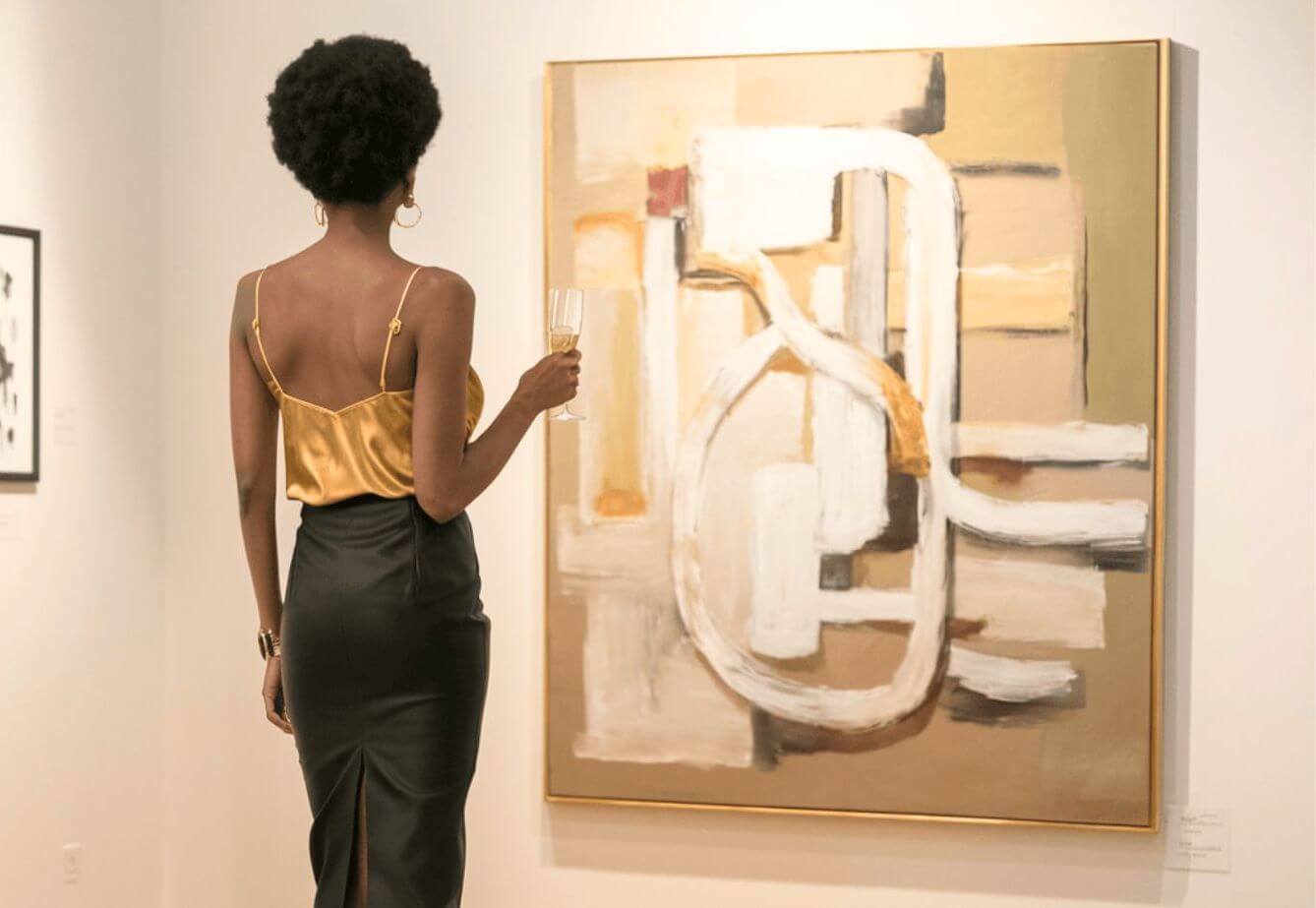

You’ve done it, sis. You’ve climbed the ladder and are ready to celebrate and treat yourself. It’s time. If you’re a fan of art, this is the perfect moment to start your collection.
Today, fine art is more accessible to the new collector than ever. Galleries, agents, and artists are all vying for the attentions of the buying public.
Use this list of quick tips to guide you as you prepare to purchase your first piece. Whether you’re drawn to classic oil paintings, contemporary sculptures, or vibrant digital art, you can navigate the art world with confidence.
The foundation of your art collection is your personal taste and style. Visit museums, galleries, and online art platforms such as Artsy to familiarize yourself with different periods, styles, media, and artists.
The more you learn, the better your collection will be. Are you looking for rare works by established masters, or do you prefer modern artists who focus on statements and social causes?
Establish where you’d like your collection to focus in its beginning stages. Your preferences may evolve over time, so stay open-minded and explore emerging artists as well.
When starting your collection, it’s important to ask yourself:
If it’s the former, focus on pieces that resonate with you emotionally. If it’s the latter, consider factors like the artist’s reputation and notoriety, the medium (canvas vs. paper), and whether it’s a limited edition or a one-of-a-kind work.
Before you start shopping, establish a budget. Be prepared to stretch it just a bit if you truly fall in love with a piece.
Art is an investment in inspiration and creativity, but it’s essential that you only acquire pieces at a price you can live with once the work is in your space. Consider additional costs like shipping and insurance when setting your budget.
Bon Vie Getaway Guide: Antalya, Turkey
The art world can be overwhelming, so seek advice from experts. Talk to other collectors, appraisers, and consultants.
While gallerists can provide insights, remember that they are also trying to sell you something. Research the artist’s background, exhibition history, and market presence.
It’s vital that you get plugged in with professionals who can help you navigate the process. The art world is fraught with theft and unscrupulous dealings. The more you understand about the works you prefer, the safer your investment.
Art fairs and exhibitions are excellent opportunities to see a wide range of works in one place.
Attend local and international events to discover new artists and styles. Art Basel Miami is among the most famous in America, and will give you an opportunity to view hundreds of pieces and refine your tastes and preferences.
Don’t hesitate to ask questions and engage with gallery representatives. Never miss a chance to experience more art and better understand your interests.
Several factors influence an artwork’s price, such as
Of course, there are other nuances in pricing, such as the subject matter of the work, its trendiness, whether the artist has recently passed or been involved in something newsworthy, and so on.
None of these factors are predictable, but they should be included in your assessment when determining what you’re willing to invest in a piece.
When you find a piece that resonates with you, trust your instincts. As the saying goes, “True love is forever.” If it’s slightly above your budget but truly speaks to you, consider stretching a bit, but don’t go crazy. Regret often comes from missed opportunities – but not as much as overextending yourself.
Collecting art is a journey. Start with what you love, learn along the way, and enjoy the process. Your first piece of fine art will be a meaningful addition to your life and home. Happy collecting!
Prefer to listen? Hear this article in full below.
Have you started your art collection yet? What was you biggest lesson when buying your first piece?
 Fully Booked: 5 Soon-to-Be-Released Titles Perfect for Your Summer Travel I...
Ready for the Good Life?
Subscribe to our newsletter
and get your first issue
of the magazine on us.
This will close in 0 seconds