
A Legacy in Stride: Honoring the Rich, Black History of the Kentucky Derby
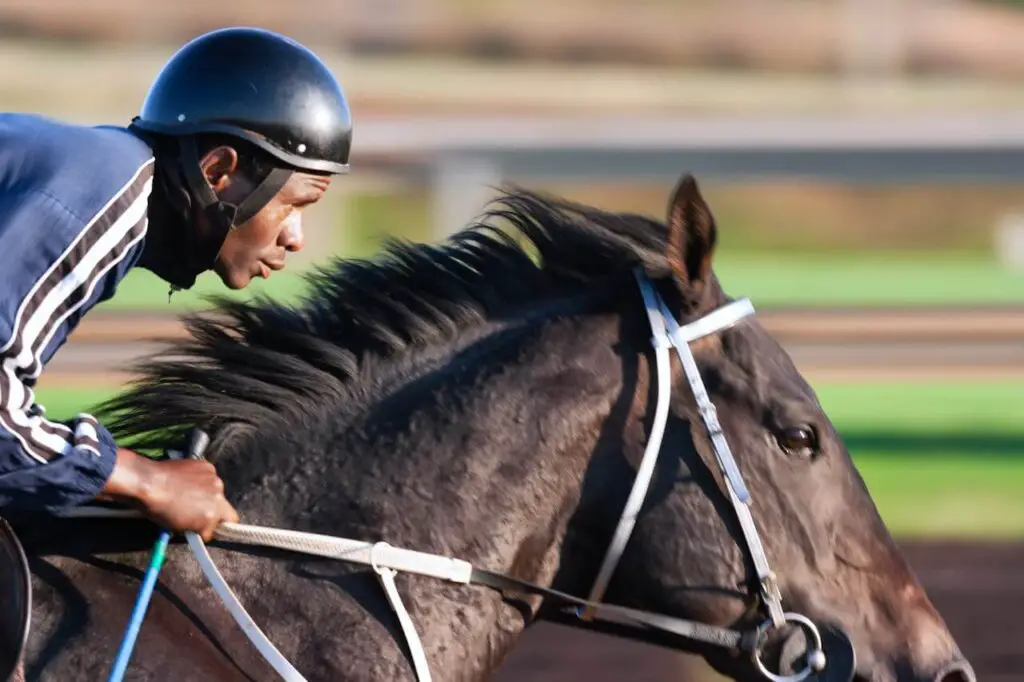
It’s that time of year again. Derby is coming! The iconic 150th Run for the Roses is set to take place at Churchill Downs this year. Though crowds will descend on Louisville from all over, Black attendance at the event will likely be minimal.
We’ve figured out why.
Over the course of the last one-and-a-half centuries, equestrian sports – particularly horse racing, have been whitewashed to a point where they no longer resemble the competitions our ancestors witnessed.
Few Black people realize just how rich and storied our history in the Kentucky Derby actually is. Allow us to enlighten you.
The Derby been #BlackAF.
Read on to look back at the past, see how Black owners and trainers are reclaiming Derby in the present, and why you should enjoy “the greatest two minutes in sports” in the future.
A Black Past: When African-Americans Dominated Horse Racing
Few sporting events evoke the same level of elegance, tradition, and excitement as the Kentucky Derby. This iconic race has been captivating audiences since its inaugural running in 1875.
Yet, amidst the thrill of the Run, the contributions and participation of Black jockeys, owners, groomers, and trainers have been systematically erased from the sport’s history.
To understand the depth of this legacy, we must journey back to the early years of the Kentucky Derby. In its formative decades, African American jockeys dominated horse racing.
Out of 15 jockeys in the first Derby run, 13 were Black. The first jockey to win the Kentucky Derby was Oliver Lewis, a formerly enslaved man who later developed the foundation for the modern racing program.
In the decades that followed the inaugural run, other names like Isaac Murphy and Jimmy Winkfield rose to prominence, earning acclaim and admiration for their unparalleled talent in the saddle.
Back to Back: The Incredible Legacy of Isaac Murphy
Isaac Murphy, in particular, is a towering figure in Derby history. Born into slavery in Kentucky, Murphy defied the odds to become one of the most celebrated jockeys of all time. He competed in the race 11 times, and rode to victory in the Derby three times, including back to back in 1890 and 1891 – a feat that remained unmatched until the 1940s.
Murphy’s success transcended the racetrack, challenging societal norms and inspiring generations to come.
In light of such a momentous career, it’s shocking to see how little Murphy is mentioned in modern day racing.
The Effort of Erasure: How Success Bred Contempt
Despite remarkable achievements, Black jockeys faced systemic racism and discrimination. The post-Reconstruction era saw the rise of segregation laws and racial prejudice, which marginalized African Americans in all facets of society, including sports. As a result, the once-prominent presence of Black jockeys and staff in the Kentucky Derby began to decline.
The turn of the 20th century marked a pivotal moment in the Derby’s history, as white owners and trainers increasingly sought to exclude Black jockeys from the sport.
The Kentucky Derby, once a symbol of diversity and inclusion, became a microcosm of the racial tensions that gripped the nation. Despite facing insurmountable obstacles, a few Black jockeys persevered, overcoming immense pressure to remain in the sport they loved.
Through the Fire: Jimmy Winkfield Rises Above It All
Jimmy Winkfield emerged as a beacon of hope during this tumultuous period. Also hailing from Kentucky, Winkfield possessed deep reserves of both talent and determination. In 1901 and 1902, he claimed back-to-back victories in the Derby, solidifying his place in racing lore.
Despite riding to racing acclaim, racial animosity and the emergence of Jim Crow forced Winkfield to pursue his career abroad. He went on to find continued success and acclaim in Europe.
Sadly, no Black jockey has won the Kentucky Derby since Winkfield last rode in 1902.
A Fading Legacy
As the decades passed, the Black legacy in the Kentucky Derby faded from public memory. Horse racing underwent significant transformations, and the contributions of African Americans remained largely overlooked.
It was not until the latter half of the 20th century that any efforts were made to honor the monumental contributions of Black people at all levels of the sport.
In 1964, more than half a century after his last Derby victory, Jimmy Winkfield returned to Churchill Downs as a guest at a pre-Derby celebration. Due to segregation laws, Winkfield and his daughter were initially not allowed to enter the event through the front door. Records of the event state that the two were “eventually” allowed inside.
His presence served as a poignant reminder of the indelible mark left by Black jockeys on the sport of horse racing, and the shameful actions of those determined to diminish that legacy.
In the years that followed, initiatives such as the Isaac Murphy Award and the Jimmy Winkfield Stakes were established to honor the work of these trailblazing athletes.
The Race Yet to Run: The Work Continues
Despite the progress made in recognizing past Black racing professionals, the journey towards equity and inclusion in horse racing continues. Today, Black jockeys and trainers remain underrepresented in the sport, facing barriers to both entry and advancement.
Kendrick Carmouche’s 2021 journey to the Derby is evidence of this. He made it to the Run after a significant upset in the Wood Memorial, and was the only Black jockey to compete for several years.
Grassroots efforts and advocacy work seek to address these disparities and ensure that future generations have the opportunity to participate and excel in horse racing. In order for such efforts to be effective, the history of racing icons must be passed down, so that young people see racing as a possibility.
Celebrating the Derby at home this year? These tips will help you plan a splendid soiree.
Celebrate the Derby. It’s Black History.
As we gear up for the splendor of the Kentucky Derby each year, let us remember the rich history and heritage that underpins this iconic event. From the triumphs of Isaac Murphy to the resilience of Jimmy Winkfield and the untold stories of countless unnamed professionals throughout the decades, Black people have left an indelible imprint on the “Run for the Roses.”
They worked, rode, trained, and won for our seats at the table.
Let their stories remind us of the power of perseverance and the enduring spirit of the human endeavor. In celebrating their legacy, we honor not only the past but also the promise of a more inclusive future for horse racing.
Prefer to listen to this story? Hear it in full below.
This article first appeared in the Spring 2024 issue of BonVie magazine, and is an exclusive for BonVie+ readers.
Do you enjoy the Kentucky Derby? Tell us how you’re celebrating this year.